
Work-life balance has always been an elusive ideal. Leaders have been promised that with the right strategy or scheduling, they could neatly separate “work” from “life.” Increasingly, experts agree: That is a fallacy. Life happens. Wildfires force sudden evacuations, parents get sick, companies reorganize overnight. Even the most disciplined executives cannot control every variable.
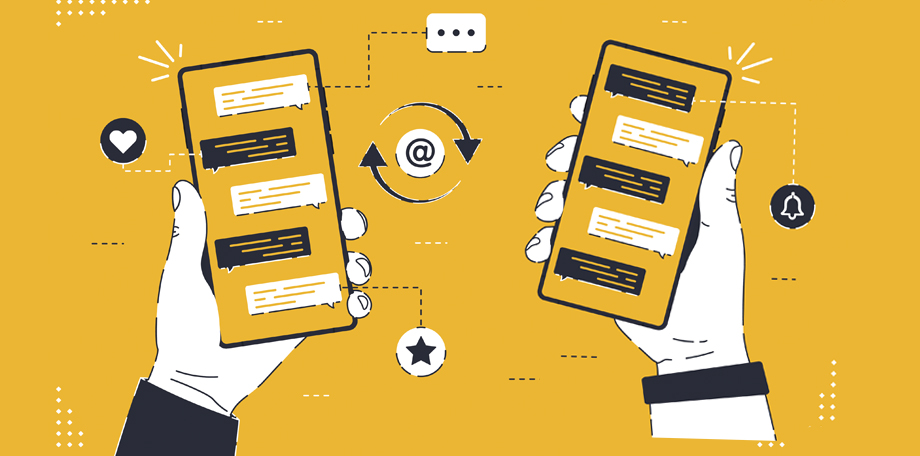
What we can control is how we engage with technology. Phones and laptops are indispensable tools and constant intruders. They let us work anywhere, stay in touch with loved ones and access infinite knowledge. But they also erode focus, interrupt rest and keep us half-present with the people who matter most.
The solution isn’t total unplugging—it’s regaining control.
Why You Can’t Just ‘Unplug’
In today’s world, it’s unrealistic to fully disconnect. Technology drives both personal and professional lives, and expectations of instant availability make abstinence impractical. But there is power in mindful use. By choosing when and how to connect, you prevent technology from dictating the terms of your attention, relationships and well-being.
Research shows that those who manage work-life balance most effectively vigilantly manage their human capital: their energy, attention and emotional presence. They are intentional about focus and invite families into conversations. A parent who asks, “What would make it easier when I travel?” or who sets aside 30 minutes each evening to listen, fully present, creates more meaningful connection than constant partial attention.
Presence is the antidote to guilt. You don’t need to be available 24/7—for your job or family. You need to be all-in where you are.
Presence In Practice: A Client Story
One executive I worked with—we’ll call her Maria—embodied the challenge of technology’s double edge. She led a global division, traveled frequently and prided herself on responsiveness. But her family described her as “half there” even when she was physically at home. Dinner conversations were interrupted by Slack pings; bedtime routines were paused for “urgent” emails.
We experimented with a simple boundary: no phone use between 6:00 and 8:00 p.m. The first week was uncomfortable—she felt anxious, even guilty. By week two, her daughter commented, “You actually listen now.” Maria noticed something too: She wasn’t losing ground at work. Her team grew more self-sufficient because she wasn’t available for every small decision.
What began as a two-hour phone curfew expanded into other practices—batching notifications, setting “focus hours” and defining success at home and work. Her biggest surprise? The guilt she carried started to lift. She realized she didn’t need to be everywhere at once but fully wherever she was.
The Cognitive Cost Of Constant Connection
Research paints a clear picture:
• Mental Health And Sleep: Heavy smartphone use is linked to higher rates of anxiety, depression and poor sleep.
• Attention And Performance: Even the mere presence of a phone on the desk reduces working memory and focus.
• Sleep Biology: Cutting off phone use before bed improves sleep and performance. Blue-light glasses offer little proven benefit.
These findings echo the argument made in Harvard Business Review: Boredom isn’t wasted time—it’s essential for creativity, problem-solving and recovery. Yet we rarely allow ourselves the space to be bored, because every spare moment is filled by a screen.
What Actually Works
Digital detoxing is less about abstinence and more about smart boundaries. Evidence-based strategies include:
• Batch notifications. Set delivery times (two to three times daily) instead of constant pings.
• Cap social media. Limit use to about 30 minutes a day across platforms.
• Make the bedroom phone-free. Just four weeks of this improves sleep and memory.
• Embrace silence and distance. Keep phones out of reach during focus blocks.
• Use nudges. Tools like grayscale mode or hiding app badges reduce compulsive checking.
• Plan, don’t just vow. Use “if-then” to replace mindless checking with alternatives.
• Practice mindfulness. Brief daily practices—sometimes delivered via the very device we’re trying to control—reduce problematic use.
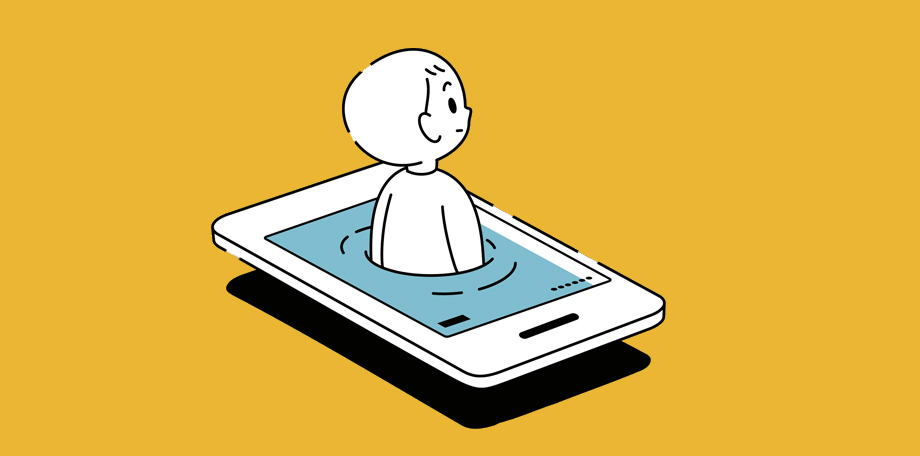
A 30-Day Phone Reset
Leaders don’t need another abstract recommendation—they need a structured experiment. Try a 30-Day Phone Reset that layers one habit each week:
• Week 1 – Sleep: Stick to a consistent bedtime/wake time, keep the phone out of the bedroom and have a 60-minute pre-bed cutoff.
• Week 2 – Attention: Batch notifications, silence nonessential alerts and keep the phone out of sight during focus blocks.
• Week 3 – Mood And Social: Cap social media at 30 minutes/day, switch to grayscale and pause before opening apps.
• Week 4 – Maintenance: Write “if-then” plans for triggers, practice daily mindfulness and set limits you’ll keep beyond Day 30.
By the end of the month, you’ll have data on how these small changes affect sleep, focus and mood. Start simple, finish strong—keep what works and drop what doesn’t.
Detoxing Your News Diet
Technology’s impact isn’t limited to apps or social media. The way we consume news matters, too. A constant drip of headlines—many polarized or sensationalized—can heighten stress without deepening understanding.
A healthier approach is to curate a limited set of trusted sources. Tools like Ground News (which compares coverage across the political spectrum), newsletters from commentators like Heather Cox Richardson (who grounds current events in historical context) and outlets such as Reuters (known for fact-based, minimally editorialized reporting) provide context instead of noise. Instead of checking many apps, choose two or three reliable outlets and consume them deliberately.
Redefining Success
Ultimately, digital detoxing is less about rigid rules and more about aligning choices with your definition of success. At work, that might mean leading a strong team, driving impact or carving out time for learning. At home, it might mean being present at dinner, never missing a Little League game or creating space for meaningful conversations.
You can’t control every fire drill at the office or crisis at home. You can control whether you spend tonight scrolling through emails on the couch—or giving your undivided attention to the people who matter most.
Technology is not the enemy. Lack of intentionality is. A digital detox is not about rejecting the modern world, but about reclaiming the driver’s seat.
Learn more about Executive Coaching
This article was originally published on Forbes.com as a Forbes Coaches Council post.